The Impact of Growing Green Spaces on Nature
As urban areas continue to expand, the impact on local wildlife and biodiversity becomes increasingly significant. Preserving natural habitats is crucial for maintaining ecological balance. This is where growing green spaces can play a vital role. By creating more areas filled with trees, we not only provide shelter for wildlife but also enhance the overall health of our ecosystems.
Providing Habitats for Animals
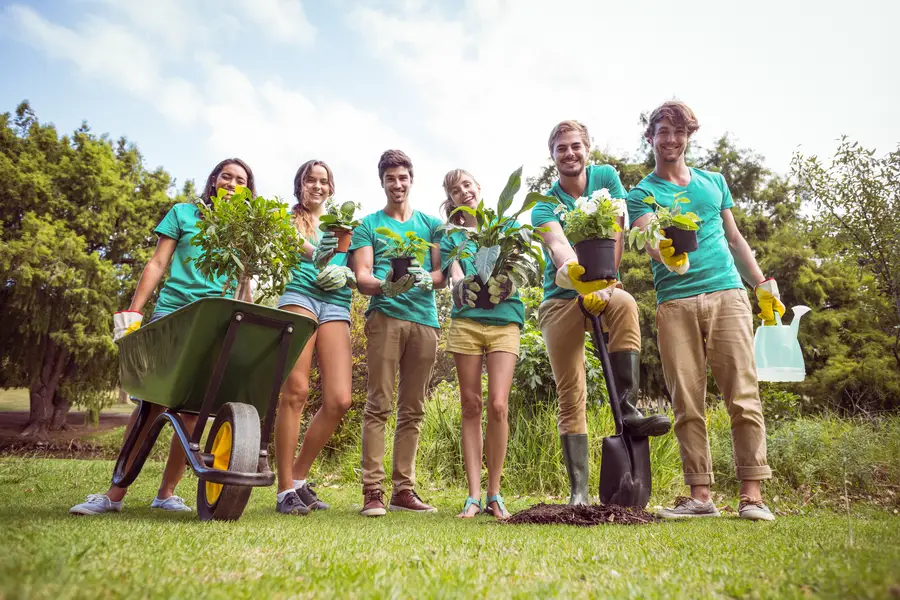
Growing green spaces like forests and parks offer essential habitats for various species. Many animals rely on these areas for their basic needs such as food, shelter, and breeding grounds. Diverse tree plantings create opportunities for different animal species to thrive. Trees provide nesting sites for birds, cover for mammals, and even host insects that are a crucial part of the food chain.
Supporting Plant Diversity
Green initiatives are about more than just planting any tree; they focus on promoting plant diversity. Different types of trees support different kinds of wildlife, making diverse plantings crucial. For example, native species often adapt better to local climates and soil conditions, providing optimal support for local fauna. These carefully considered strategies bolster both plant and animal life.
Boosting Ecosystem Services
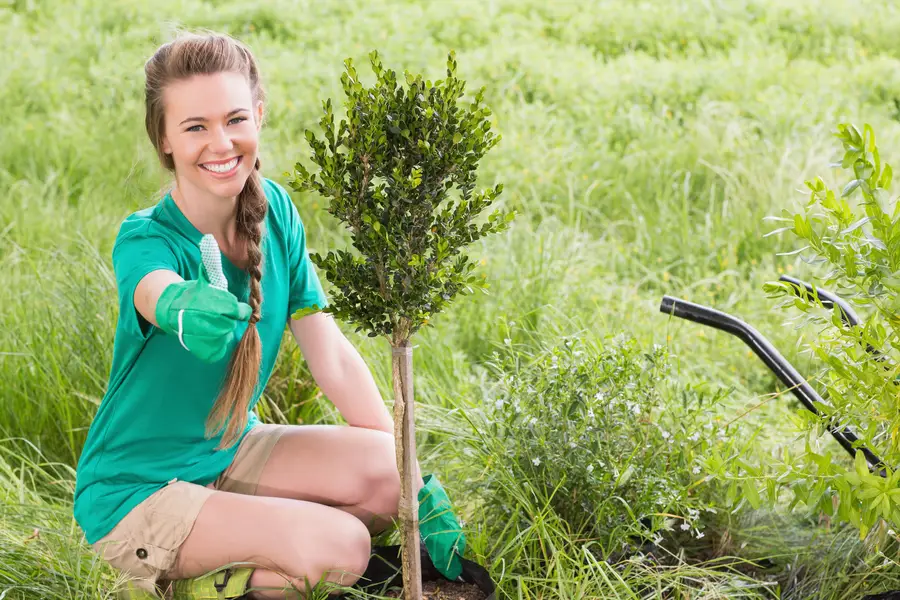
Trees do much more than provide beauty or shade; they contribute significantly to ecosystem services. They help in purifying air, conserving water, and stabilizing soil. Moreover, forests serve as carbon sinks, capturing carbon dioxide from the atmosphere which helps combat climate change. This demonstrates how green initiatives benefit both the environment and its inhabitants.
Enhancing Community Involvement
Participating in initiatives offers communities an opportunity to engage with nature directly. When people actively contribute to greening their surroundings, they develop a stronger sense of responsibility towards environmental conservation. Educational programs can teach residents about the importance of preserving natural habitats, fostering a community-wide commitment to sustainability.
Challenges in Implementation
Despite its benefits, implementing these projects faces several challenges. Urban development often prioritizes construction over conservation, leading to habitat loss. Additionally, there is sometimes a lack of awareness or understanding about the importance of tree planting. Overcoming these obstacles requires dedicated efforts from both public and private sectors.
Sustainable Practices for Effective Results
To maximize the positive impacts, sustainable practices must be adopted. Utilizing native plants reduces maintenance needs and supports local ecology better than non-native species. Furthermore, regular monitoring ensures planted areas remain healthy and thriving. Sustainable practices ensure long-term success and continued benefits for both humans and wildlife.
Cost Implications and Benefits
While initial costs might deter some from investing in green projects, the long-term benefits outweigh them significantly. Trees increase property values and reduce energy costs by providing shade during hot months. Additionally, healthier ecosystems mean reduced spending on health care related to pollution and heat stress. Investing in nature is an investment in the future.
Your Role in Enhancing Biodiversity With Green Initiatives
Increasing natural habitats through growing green spaces plays a critical role in supporting wildlife and biodiversity. These efforts require collective action from individuals, businesses, and policymakers alike. If you want to learn more about participating in these initiatives in your area or need guidance on starting your own project, contact Marotta Tree Service & Landscaping LLC at (860) 264-0716. Located in Suffield, CT, I am committed to helping you make a positive impact on our planet’s future.